February 27, 2026
Understanding the importance of proper door hardware installation is essential for both the security and aesthetics of a home. Yet, many homeowners make common mistakes during installation, leading to functionality issues and additional costs. These errors can compromise safety, reduce durability, and detract from the overall appearance of the door. Over time, even small installation issues can escalate into larger problems that affect everyday use. By recognizing where installations often go wrong, homeowners can make more informed decisions and avoid unnecessary repairs. Taking the time to plan and execute installations carefully not only protects the home but also enhances the longevity and performance of the hardware. Let’s explore the six most common mistakes and how to avoid them.
1. Choosing the Wrong Type of Hardware
Choosing the wrong type of door hardware is a common mistake among homeowners and can compromise both security and functionality. With so many options available, it’s important to match the hardware to its intended purpose. For example, interior doors may suit lever handles, while external doors require deadbolts for enhanced security. Compatibility with the door material is equally important, as metal doors can handle heavier locks better than wood. Mismatched hardware and materials can cause damage over time, leading to costly repairs or replacements.
Beyond function and material, aesthetics, security, and local climate should influence your choice. Hardware that complements your home’s design elevates visual appeal, while robust construction protects against unauthorized entry. Additionally, environmental factors such as salty or humid air can corrode certain finishes, so corrosion-resistant options are ideal for coastal or damp areas. Taking these elements into account early can also reduce long-term maintenance needs and replacement costs. Considering all these factors together helps homeowners select door hardware that balances appearance, durability, and safety.
2. Taking Incorrect Measurements
Incorrectly measuring door thickness is a common mistake that leads to a poor hardware fit. Accurate measurements allow the hardware to operate correctly and fit securely, but homeowners often overlook this step, causing complications during installation. The backset, or the distance from the edge of the door to the center of the hardware hole, also requires careful measurement, as errors can result in off-center knobs or locks that affect both aesthetics and functionality. Cross bore and edge bore sizes, which hold the knob, lock, and latch, must also be measured precisely to prevent operational issues and maintain security.
Proper strike plate alignment is another critical factor for both smooth functionality and door security. Misaligned strike plates can cause the latch to bind or fail to engage fully, potentially creating security risks. Having the right tools, from basic rulers to electronic calipers, helps achieve accurate measurements and proper alignment. According to TrustedChoice.com, there are currently around 10,394 hardware stores in the United States that guide the selection of the right tools. Investing in quality tools and taking accurate measurements saves time, prevents costly errors, and contributes to a smoother installation process.
3. Utilizing Improper Installation Techniques
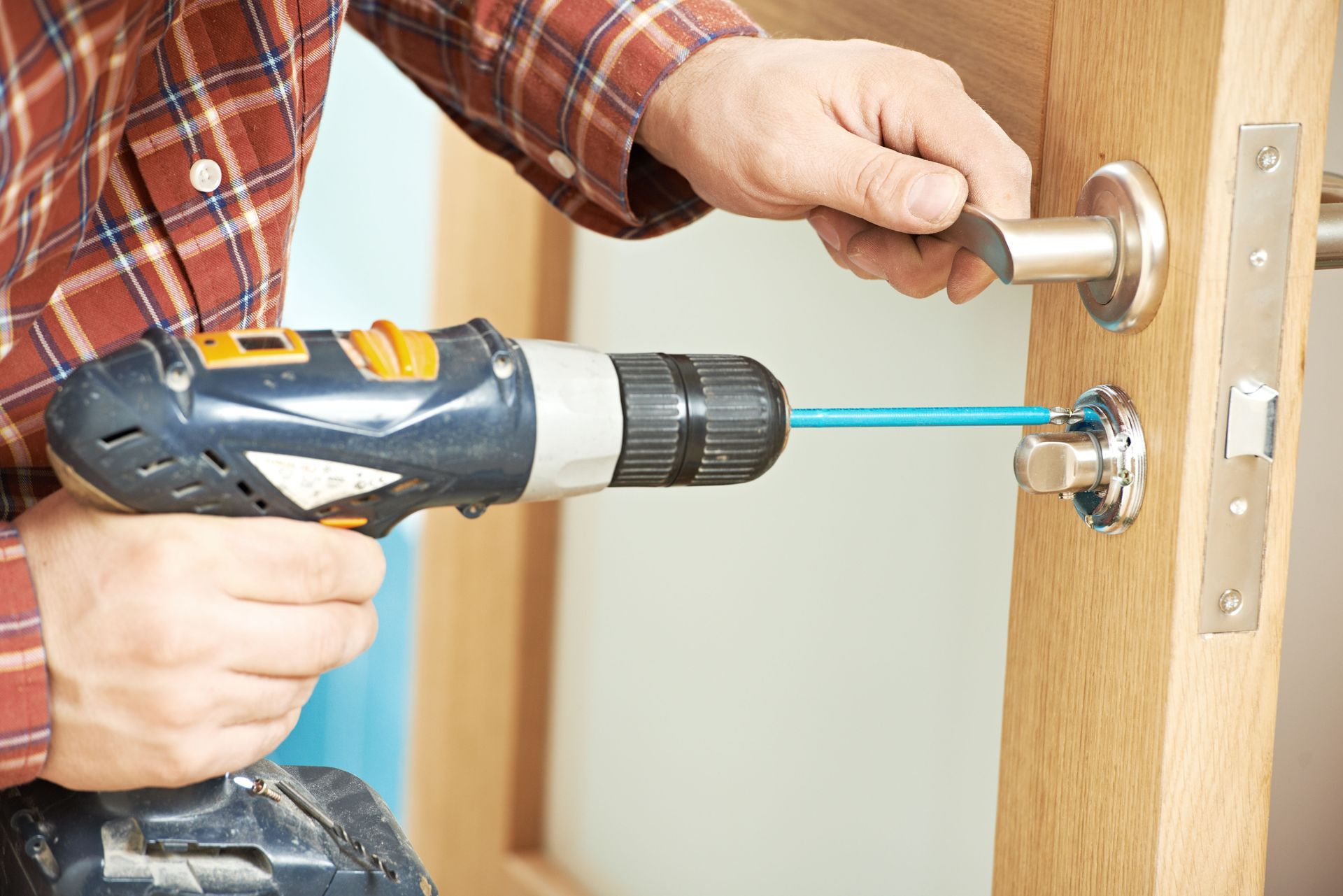
Drilling mistakes are a common cause of improper hardware installation, leading to misaligned components that affect both function and appearance. Errors in hole alignment, depth, or diameter often require corrective measures, costing additional time and resources. Using proper tools, taking precise measurements, and proceeding carefully can help prevent these issues. Taking time to mark drilling points accurately before starting can significantly reduce the risk of mistakes. Alignment plays a key role in smooth operation, and using alignment tools helps homeowners achieve accurate placement while maintaining both security and visual appeal.
Templates and guides from manufacturers are valuable resources for achieving precise installation by providing clear directions for drilling and mounting. Even simple tasks like tightening screws can impact durability, as over-tightening may strip threads or warp components, while under-tightening can create slack that affects performance. Hollow core doors require special fasteners and pilot holes to support structural stability. Following these best practices allows homeowners to achieve a secure, functional, and visually pleasing hardware installation.
4. Ignoring Maintenance and Upkeep
Neglecting routine maintenance can lead to premature deterioration of door hardware, affecting both performance and security. Regular cleaning removes dust and grime that can interfere with moving parts, while using appropriate cleaning products helps protect finishes from corrosion or damage. Lubrication is equally important, as unlubricated components can wear down faster, become stiff, or fail altogether. Simple upkeep tasks performed consistently help extend hardware lifespan and maintain smooth, reliable operation. Over time, this routine care also reduces the likelihood of unexpected repairs or replacements.
Periodic inspections for loose screws or worn components prevent small issues from developing into costly repairs. Applying protective coatings can further improve durability, particularly in humid or coastal environments where corrosion is more likely. Homeowners should also recognize when replacement is more practical than repair, especially when hardware shows persistent problems or significant wear. Upgrading outdated components can improve functionality, security, and overall home efficiency while reducing long-term maintenance demands.
5. Overlooking Security Features
Deadbolts are a critical security feature that many homeowners overlook, yet they add a strong layer of protection beyond standard locks and significantly deter unauthorized entry. Smart locks offer modern convenience and greater access control, but they also introduce cybersecurity considerations that may not suit every homeowner. Traditional locks remain appealing for those who prefer simplicity and reduced digital risk. Choosing between these options requires balancing security priorities, comfort with technology, and daily usability.
Smaller components also play an important role in overall door security. Reinforced strike plates strengthen resistance to forced entry by distributing impact more effectively, while American National Standards Institute and Builders Hardware Manufacturers Association ratings help homeowners assess lock durability and strength before purchasing. Even the strongest lock can fall short if paired with a weak door frame, making frame reinforcement an important upgrade during hardware improvements. When these elements work together, they create a more secure and reliable entry system.
6. Skipping Professional Advice or Installation
Technical aspects of hardware installation can create security or performance issues when handled incorrectly. Precise measurements, proper tools, and installation knowledge are often underestimated by homeowners, increasing the risk of mistakes. Hiring a professional reduces these risks and allows technical details to be handled correctly, often resulting in better functionality and stronger security. Experienced installers may also provide helpful insights that improve the overall outcome.
While professional installation carries an upfront cost, it often leads to long-term value through fewer errors, reduced repair needs, and added peace of mind. Many professionals include warranties or guarantees, covering post-installation issues without additional expense. Working with experts also allows homeowners to learn best practices for future maintenance or smaller projects. In many cases, professional installation proves to be a practical and cost-effective investment.
Avoiding these common mistakes when installing door hardware can result in enhanced security, longer-lasting fixtures, and improved home aesthetics. By taking the time to research, plan, and execute the installation process correctly, homeowners can achieve safe and durable door hardware solutions that enhance their living spaces. With proper guidance, either by learning or hiring professionals, these common pitfalls can be easily navigated. Consistent attention to detail during installation also reduces the need for future repairs, saving both time and money. Additionally, well-installed hardware contributes to a polished and cohesive look throughout the home, elevating overall curb appeal. Visit Berger Hardware Inc today to get expert guidance, quality products, and reliable solutions that make every hardware project easier and more secure.